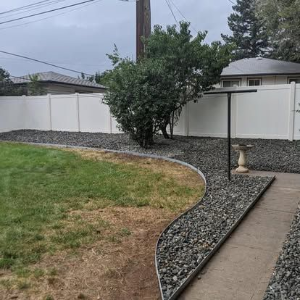

Common causes of brown patches and practical solutions for healthier grass
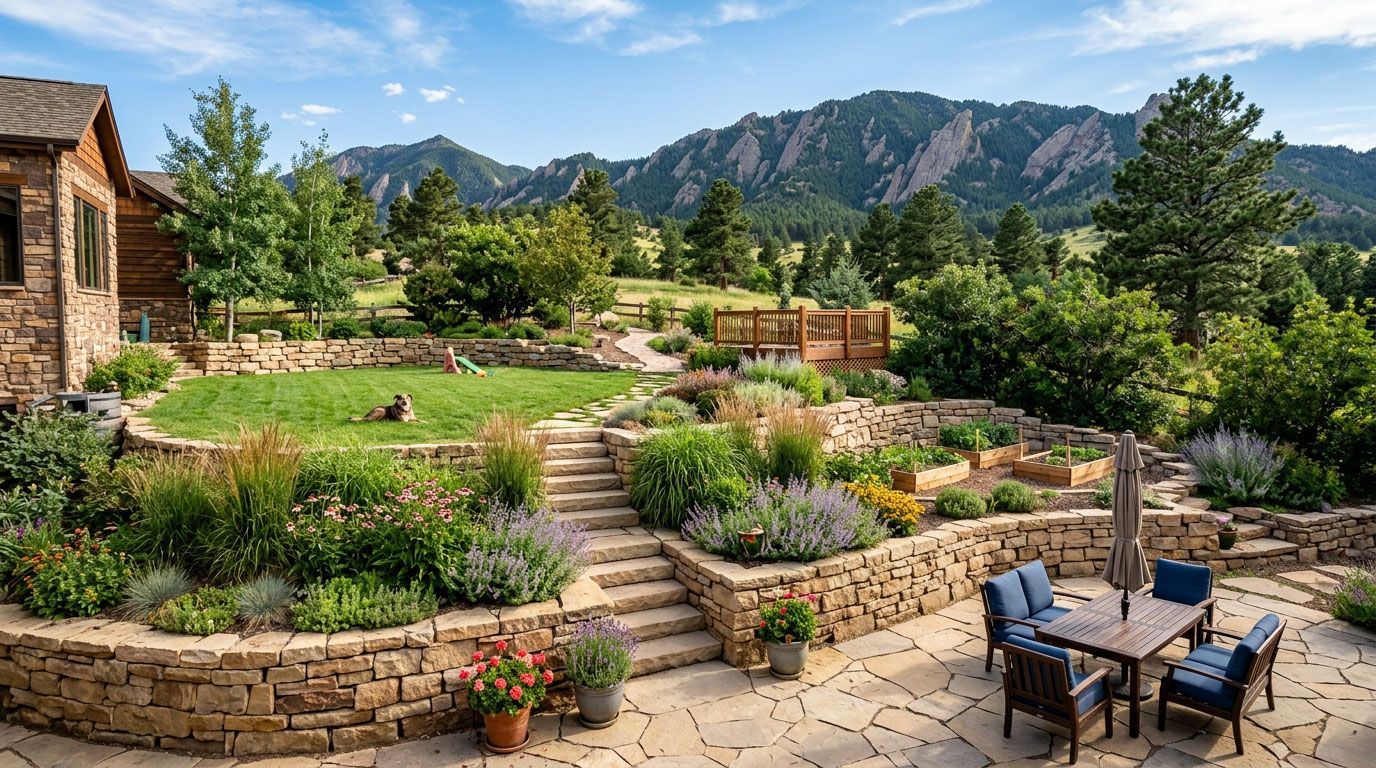
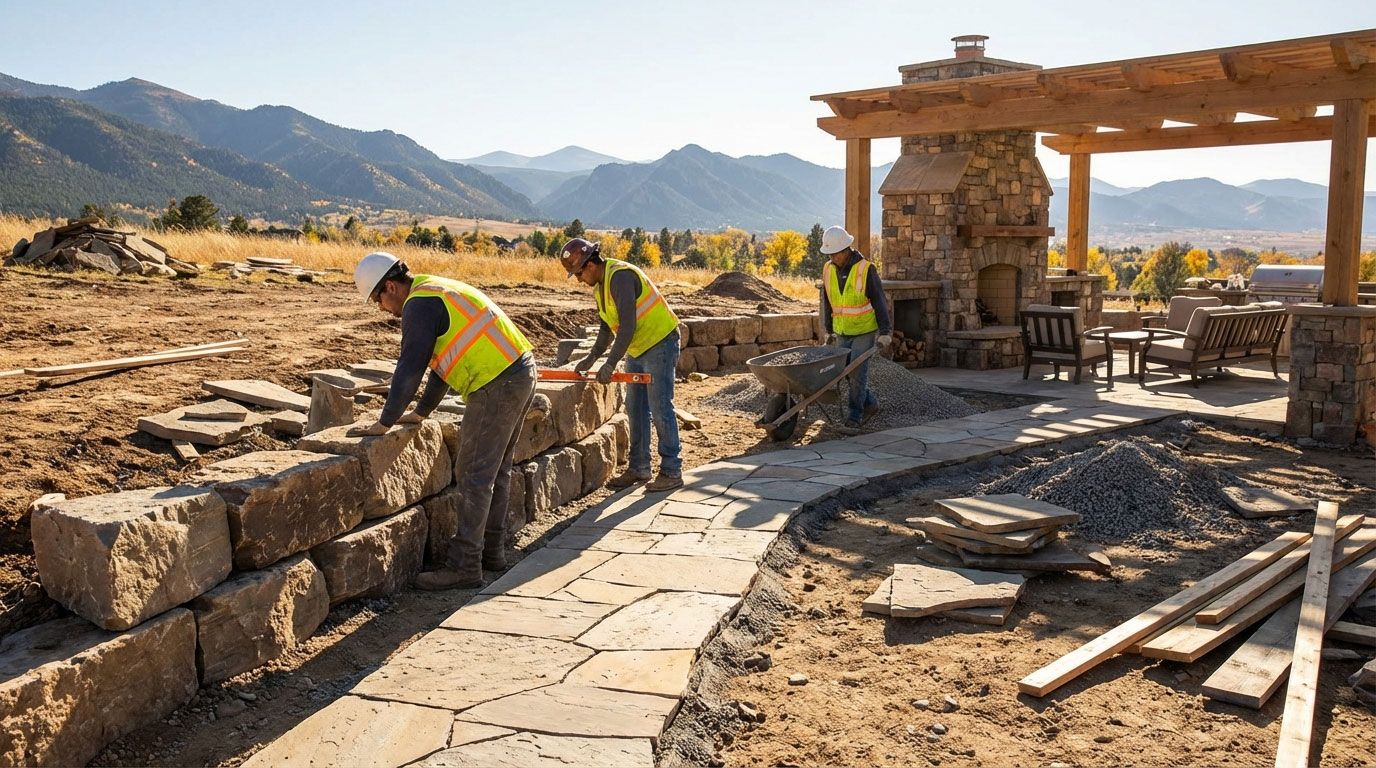
If you're ready to transform your backyard into a space where you actually want to spend time, you've probably asked yourself: should I build a deck, pour a concrete patio, or install pavers? It's one of the most common questions we hear from homeowners in Boulder, Longmont, and throughout Northern Colorado. Each option has its strengths, but not every surface handles Colorado's freeze-thaw cycles, intense sun exposure, and unpredictable weather the same way. Choosing the wrong material can mean dealing with cracks, warping, drainage issues, or costly repairs down the road. The good news? Once you understand how each option performs in our climate and what works best for your lifestyle, the decision becomes much clearer. At AGT Landscape & Design, we help homeowners throughout Boulder County, Larimer County, and Weld County design and build outdoor living spaces that look beautiful, function well, and stand up to Colorado conditions year after year. Whether you're starting from scratch or replacing an outdated surface, we'll walk you through the pros and cons so you can make the best choice for your home. Call 720-568-0721 or visit us online to schedule a free consultation and see what's possible for your backyard.
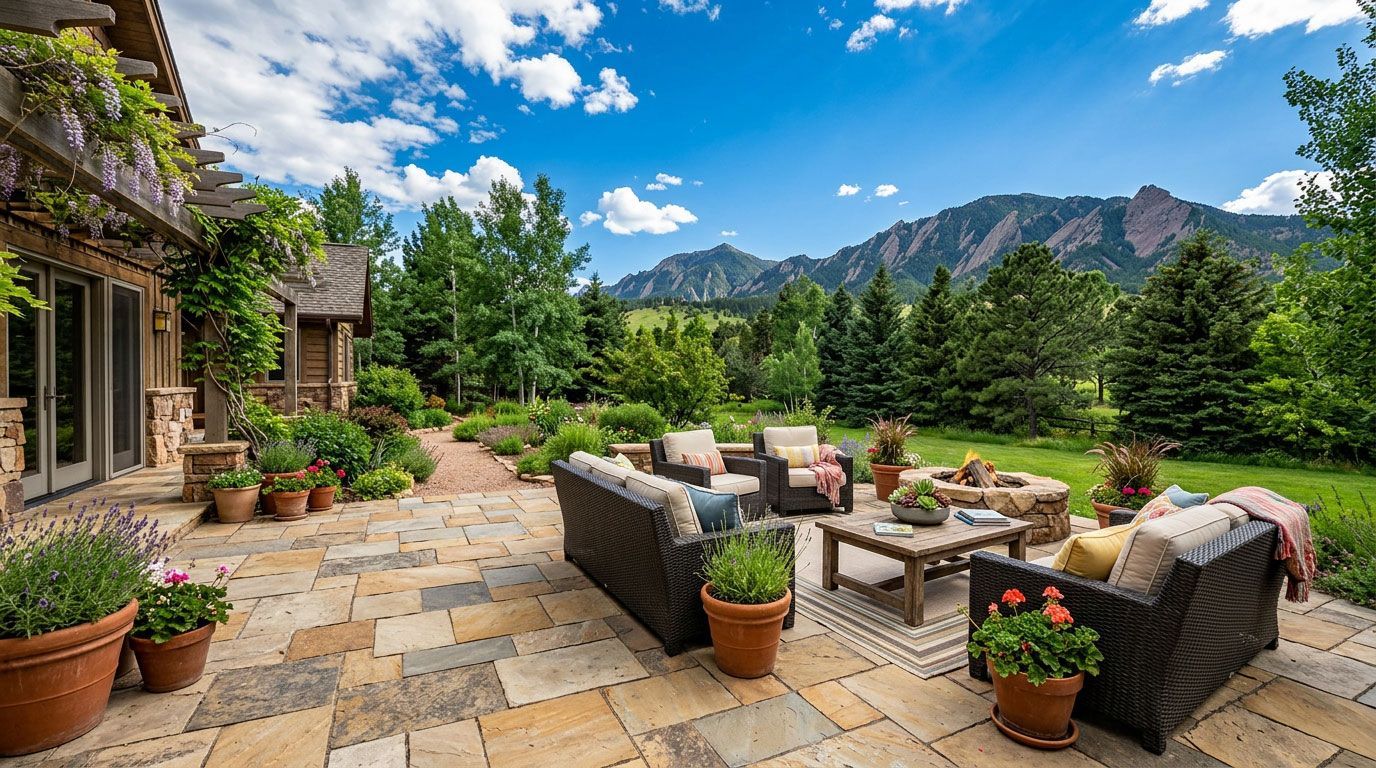
If you're ready to transform your backyard into a space where you actually want to spend time, you've probably asked yourself: should I build a deck, pour a concrete patio, or install pavers? It's one of the most common questions we hear from homeowners in Boulder, Longmont, and throughout Northern Colorado. Each option has its strengths, but not every surface handles Colorado's freeze-thaw cycles, intense sun exposure, and unpredictable weather the same way. Choosing the wrong material can mean dealing with cracks, warping, drainage issues, or costly repairs down the road. The good news? Once you understand how each option performs in our climate and what works best for your lifestyle, the decision becomes much clearer. At AGT Landscape & Design, we help homeowners throughout Boulder County, Larimer County, and Weld County design and build outdoor living spaces that look beautiful, function well, and stand up to Colorado conditions year after year. Whether you're starting from scratch or replacing an outdated surface, we'll walk you through the pros and cons so you can make the best choice for your home. Call 720-568-0721 or visit us online to schedule a free consultation and see what's possible for your backyard.
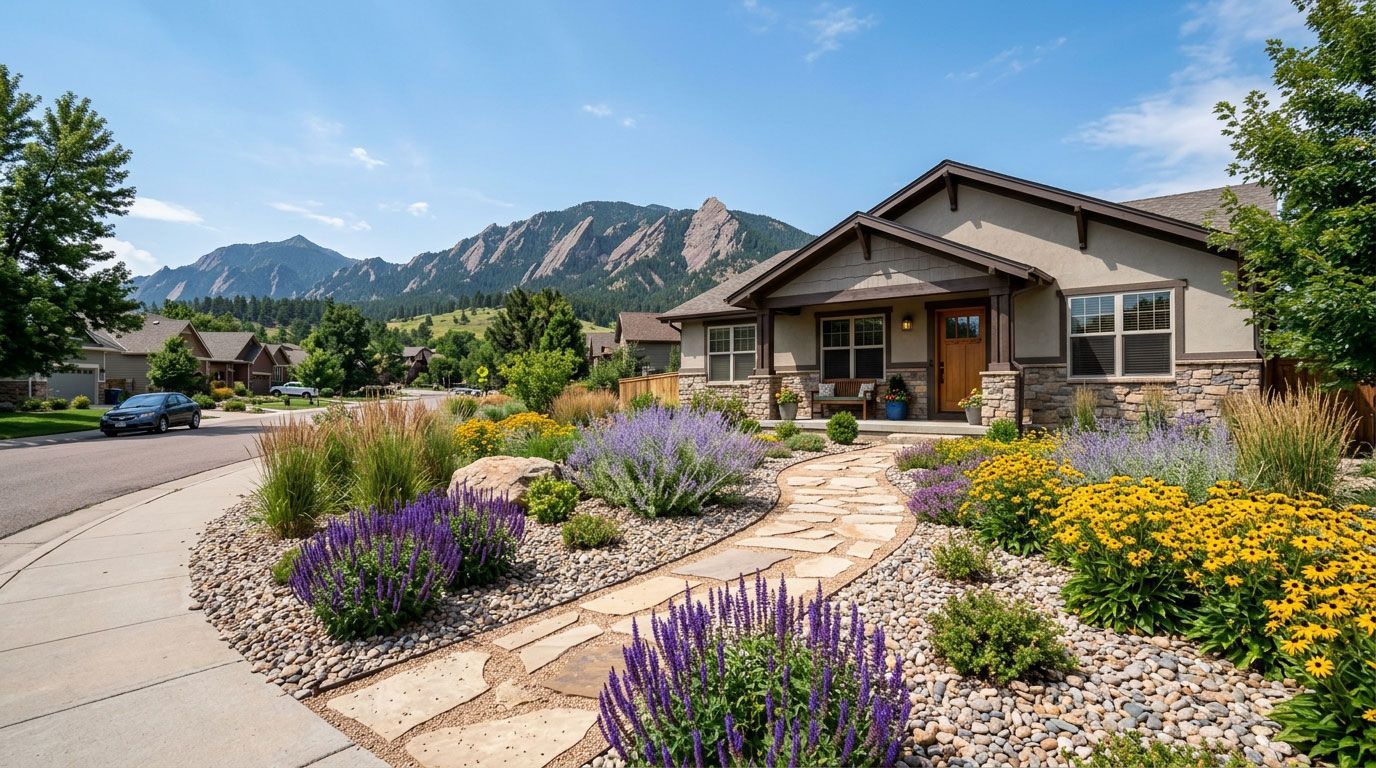
If you're tired of spending every weekend mowing, weeding, and watering your front yard only to watch it turn brown by mid-July, you're not alone. Many Boulder and Longmont homeowners struggle with traditional grass-heavy landscapes that demand constant attention and gallons of water just to look presentable. Between Colorado's intense sun, unpredictable rainfall, clay soil, and temperature swings, maintaining a lush green lawn can feel like a losing battle. The good news? You can create a stunning front yard that enhances your home's curb appeal without the endless maintenance. With thoughtful landscape design, water-wise plants, and durable materials suited to our climate, your front yard can look polished and inviting year-round with minimal effort. At AGT Landscape & Design, we specialize in creating beautiful, low-maintenance front yard landscapes for Boulder County and Northern Colorado properties. Whether you're dreaming of a xeriscape design with native plants and decorative rock or a refined entry garden with walkways and drip irrigation, our team can help you achieve the curb appeal you want without the constant upkeep. Call 720-568-0721 or visit us online to schedule your free front yard landscaping consultation.
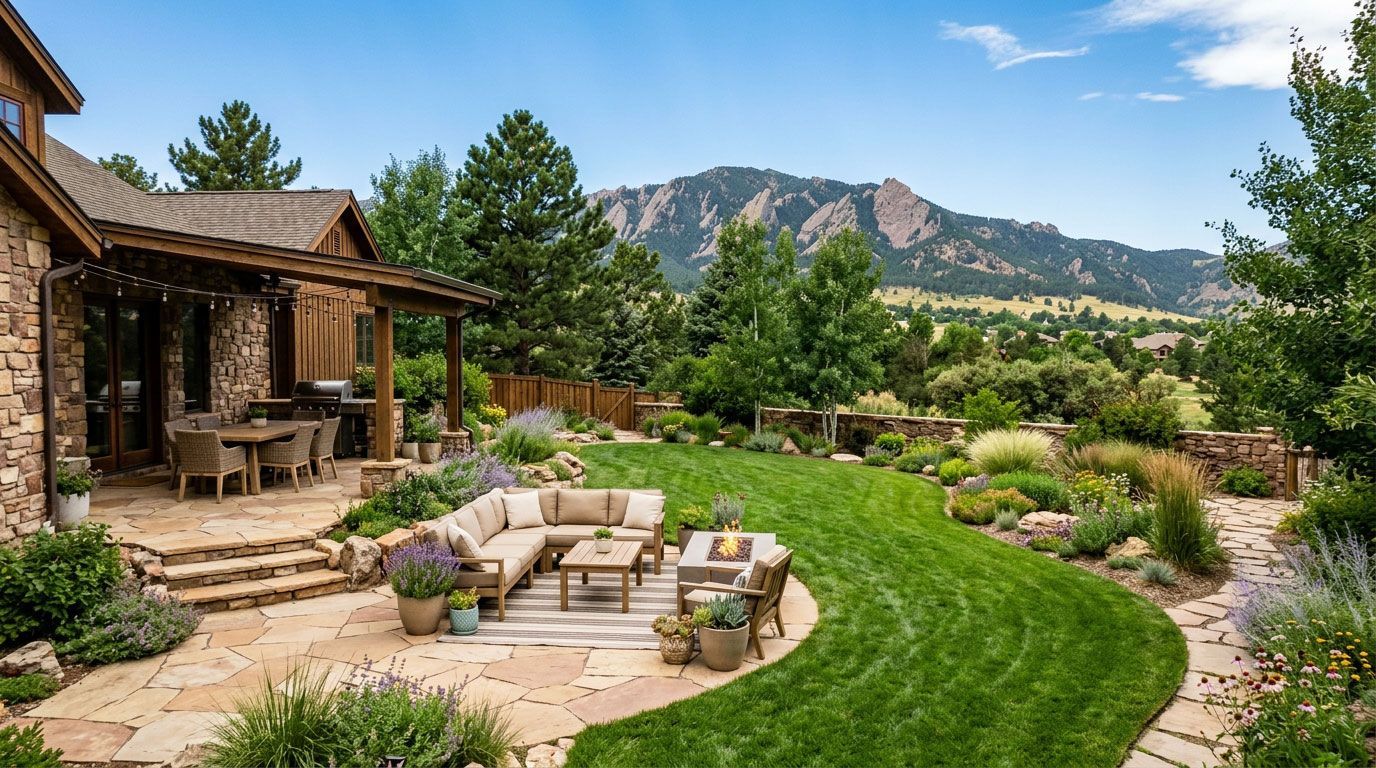
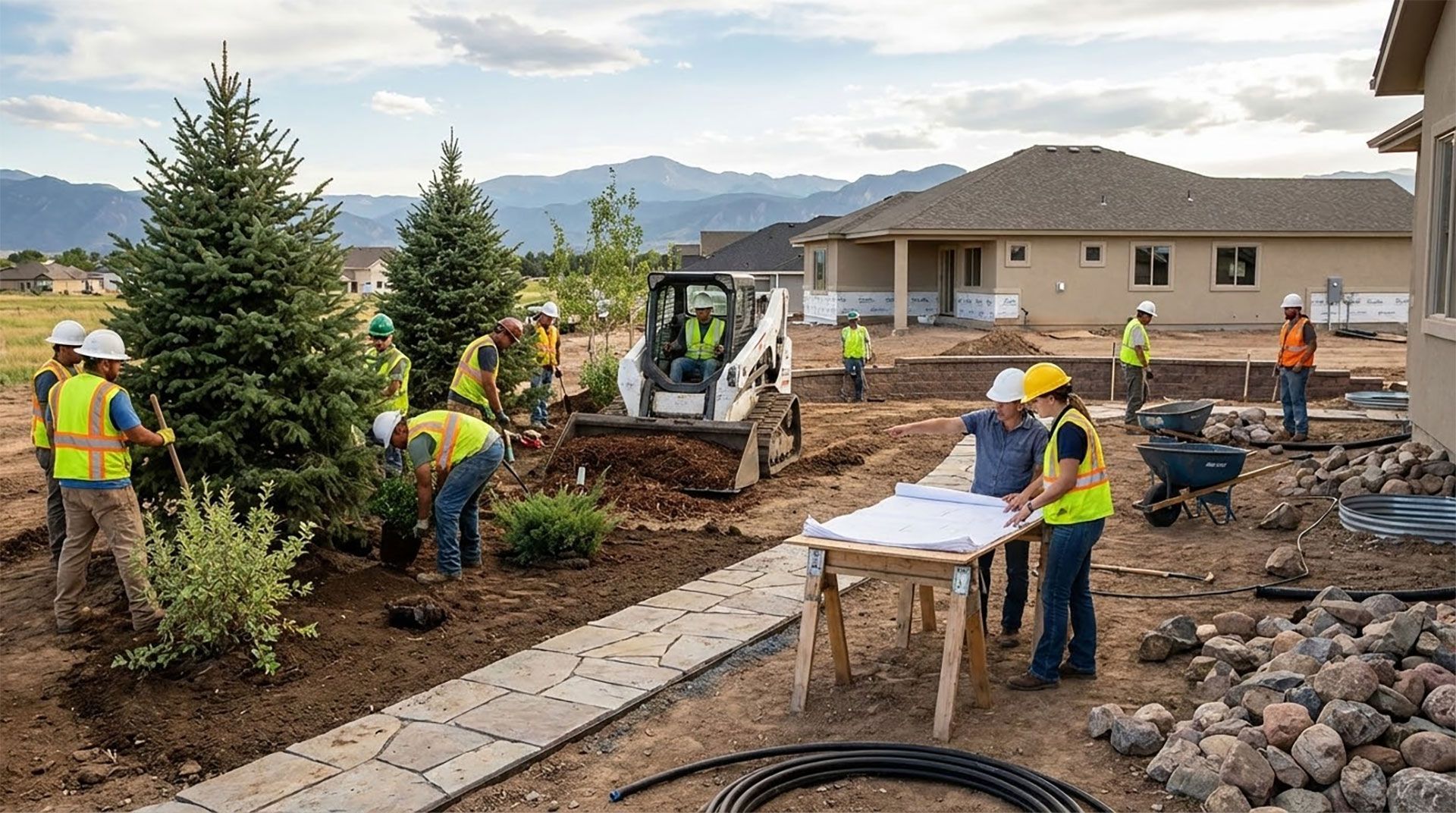
If you're a homeowner in Boulder, Longmont, or anywhere in Northern Colorado, you've probably looked at your yard and thought about making improvements. Maybe you want a new patio for entertaining, a water-wise front yard that looks great year-round, or a complete backyard transformation. But before you dive in, there's one big question: How much will it actually cost? The honest answer is that landscaping costs vary widely depending on your property, your goals, and the scope of work involved. A simple front yard refresh might cost a few thousand dollars, while a complete outdoor living space with custom hardscaping, irrigation, and plantings can be a much larger investment. Understanding what drives these costs helps you plan a realistic budget and make smart decisions about your outdoor space. At AGT Landscape & Design, we work with homeowners throughout Boulder County, Larimer County, and Weld County to create landscapes that fit both their vision and their budget. Request a free consultation to discuss your project and get a custom estimate tailored to your property.
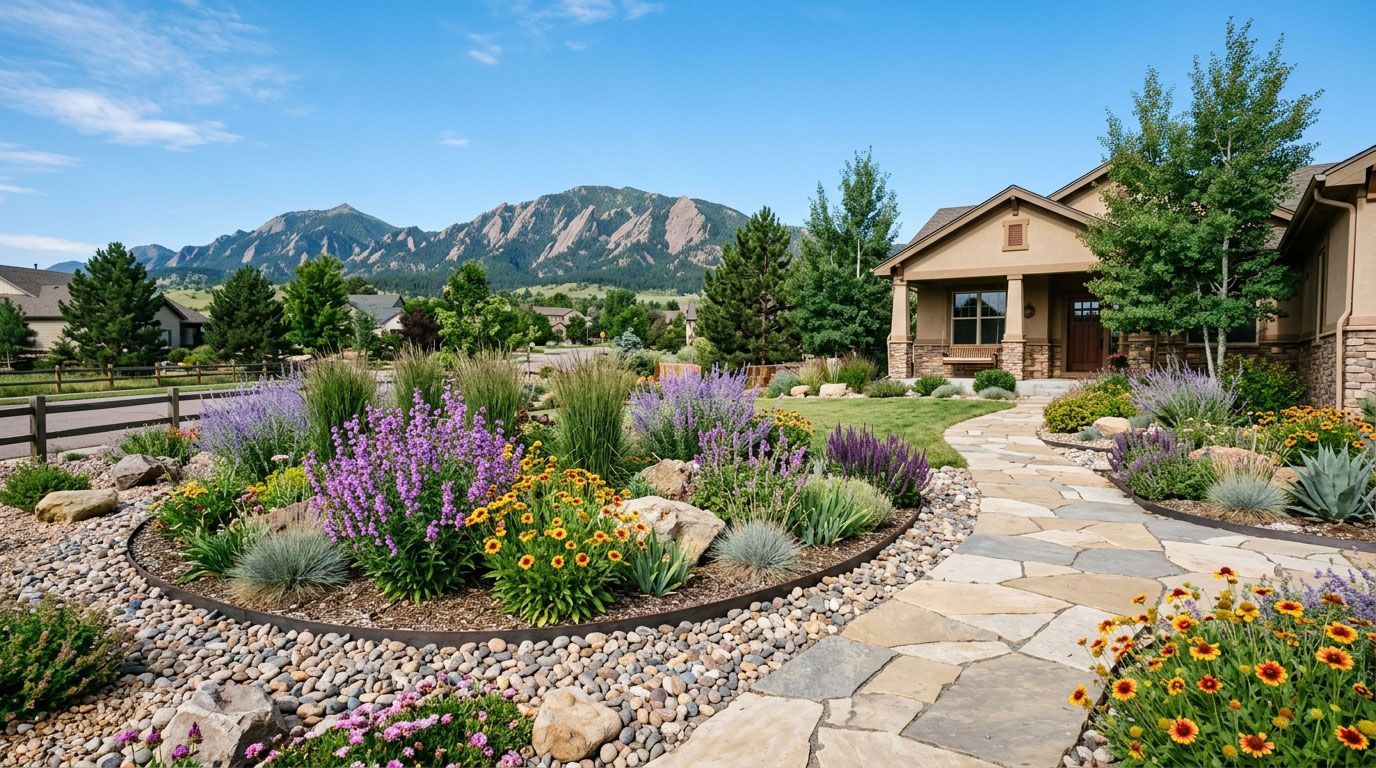
If you're spending more time fighting brown spots, adjusting sprinklers, and watching your water bill climb than actually enjoying your yard, you're not alone. Traditional grass lawns have become increasingly difficult to maintain across Boulder, Longmont, and Northern Colorado. Between our semi-arid climate, water restrictions, intense summer sun, and unpredictable weather patterns, keeping a lush green lawn healthy requires constant attention and significant resources. The good news? Lawn replacement doesn't mean sacrificing beauty for practicality. Modern water-wise landscaping offers Boulder and Longmont homeowners a way to create stunning outdoor spaces that require less water, less maintenance, and less worry—while actually increasing your property's curb appeal and value. At AGT Landscape & Design, we help homeowners throughout Boulder County and beyond transform water-hungry lawns into beautiful, sustainable landscapes that thrive in Colorado's unique climate. Ready to explore what's possible for your property? Call 720-568-0721 or visit us online to schedule your free water-wise landscaping consultation.
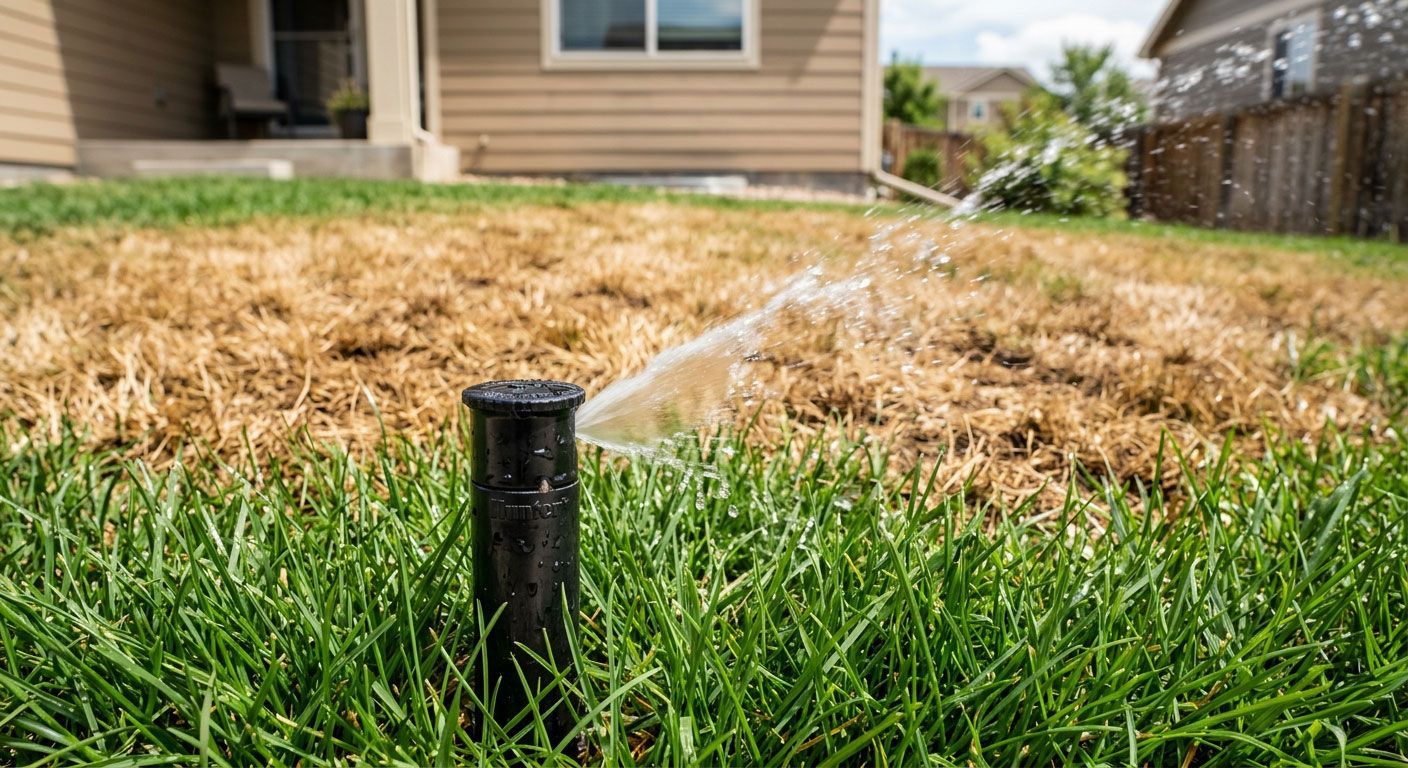
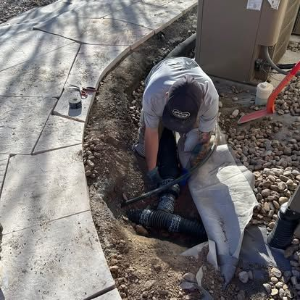
You're doing everything right. You water on schedule, you fertilize regularly, and you've even adjusted your mowing height for Colorado's intense summer sun. Yet every year, those same brown patches appear in your lawn by mid-July, and your water bill keeps climbing. The problem isn't your lawn care routine—it's the irrigation system quietly failing beneath the surface. For homeowners across Boulder, Longmont, and Berthoud, an aging or poorly designed sprinkler system isn't just an inconvenience; it's money literally draining into the ground while your landscape suffers.
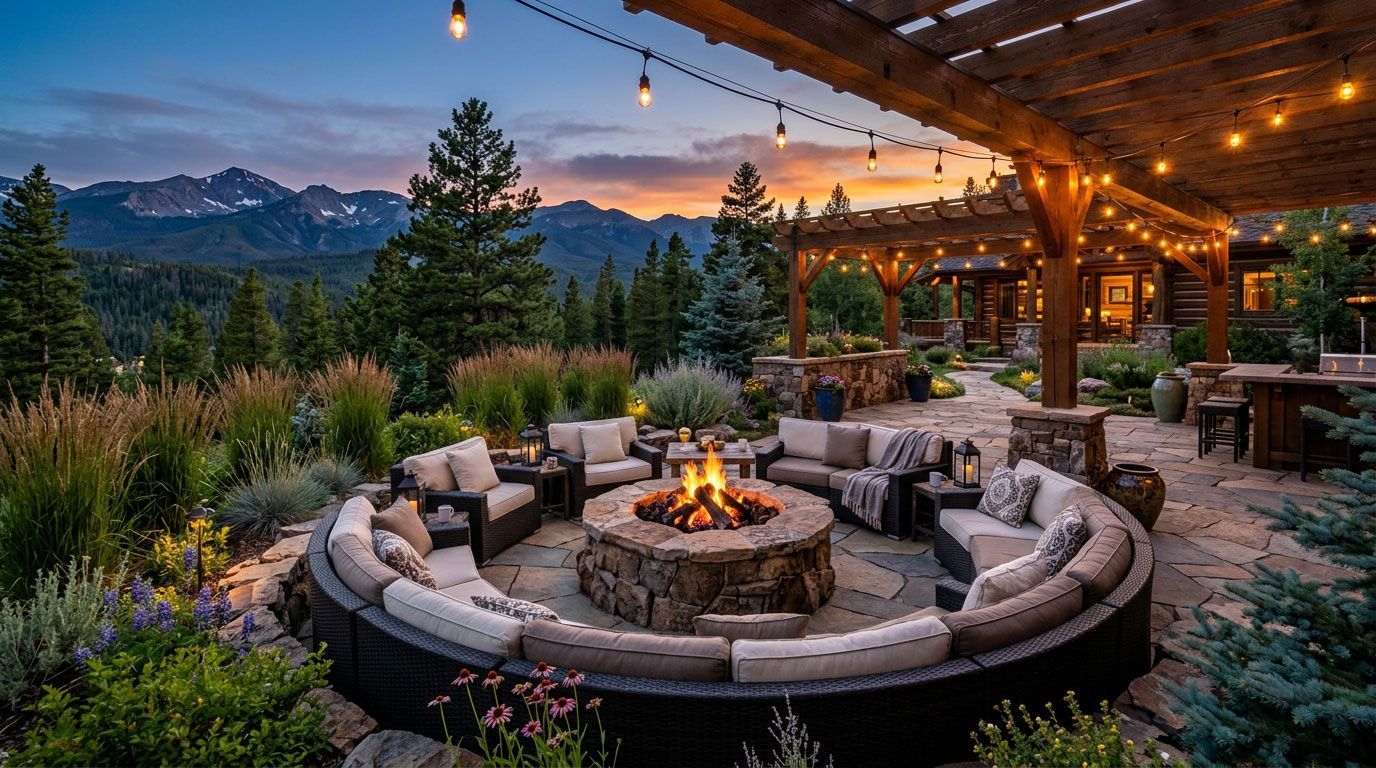
Your backyard holds untapped potential. While most Colorado homeowners retreat indoors after Labor Day, imagine sipping morning coffee on a heated patio in October, or hosting friends around a fire pit on a crisp December evening. A professionally designed outdoor living space doesn't just extend your square footage—it transforms how you experience your home throughout every season. At AGT Landscape & Design, we've spent years helping Boulder-area homeowners reimagine their backyards as true extensions of their indoor living rooms, complete with the comfort, style, and functionality that make you want to step outside regardless of the weather.
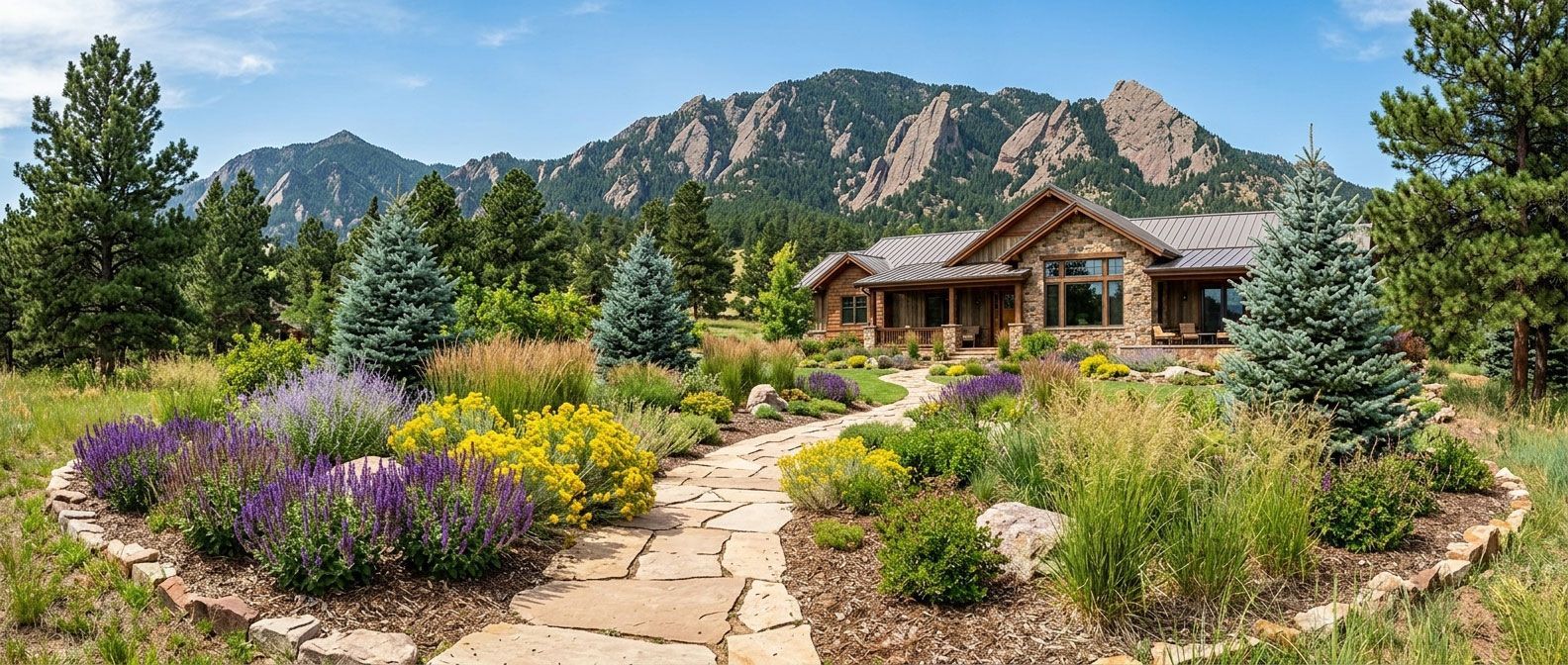
When you're searching for the best landscaping services in Boulder and Longmont, you're not just looking for someone to mow your lawn or plant a few shrubs. You're looking for a partner who understands the unique challenges of Front Range gardening — from our clay-heavy soil and unpredictable weather patterns to water restrictions and HOA requirements. The right landscaping company doesn't just make your property look beautiful; they create outdoor spaces that thrive in Colorado's semi-arid climate while respecting local regulations and environmental concerns. Whether you're planning a complete landscape renovation, need reliable year-round maintenance, or want to transform your water-hungry lawn into a sustainable xeriscape, choosing a local expert who knows Boulder County inside and out makes all the difference.
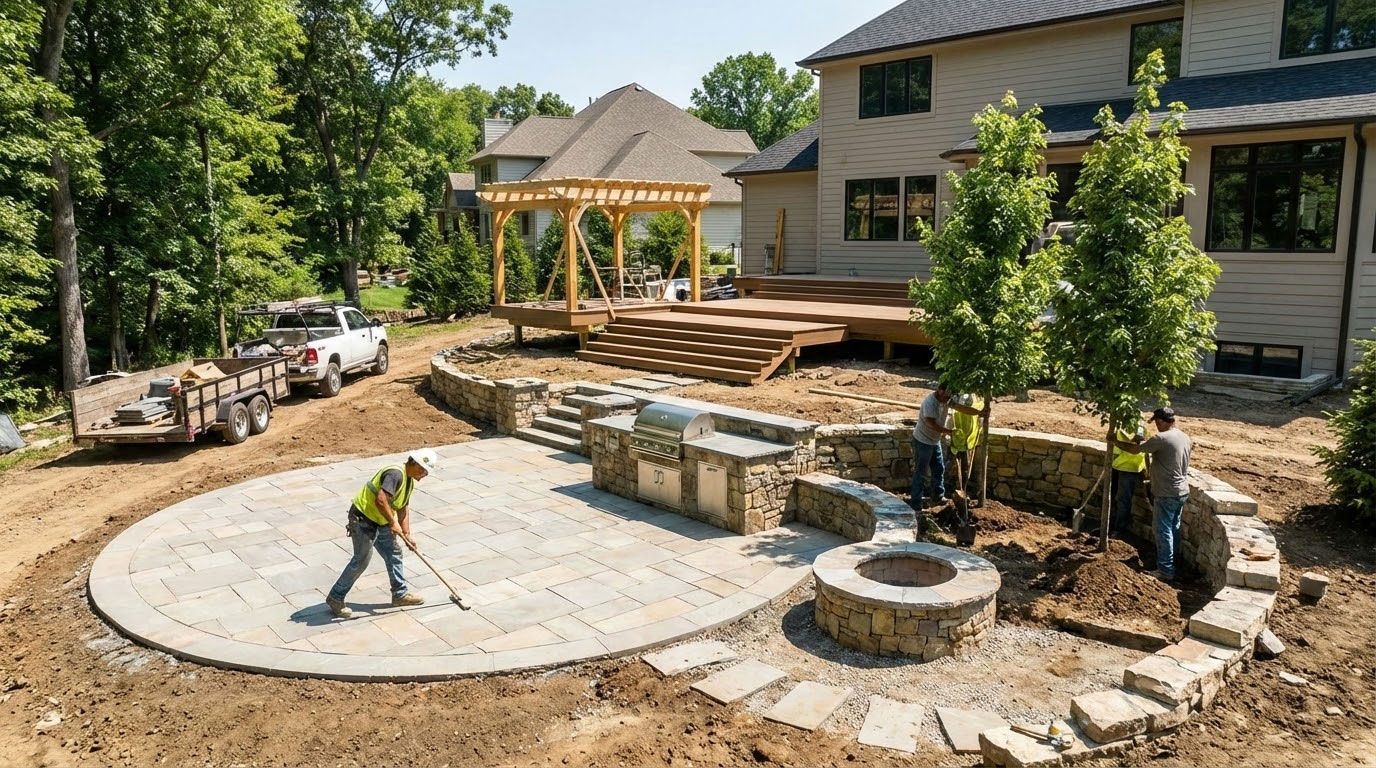
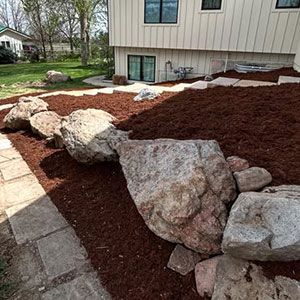
Smart outdoor improvements that enhance both livability and resale appeal